Filming in the Australian Outback: Production Guide (2026)
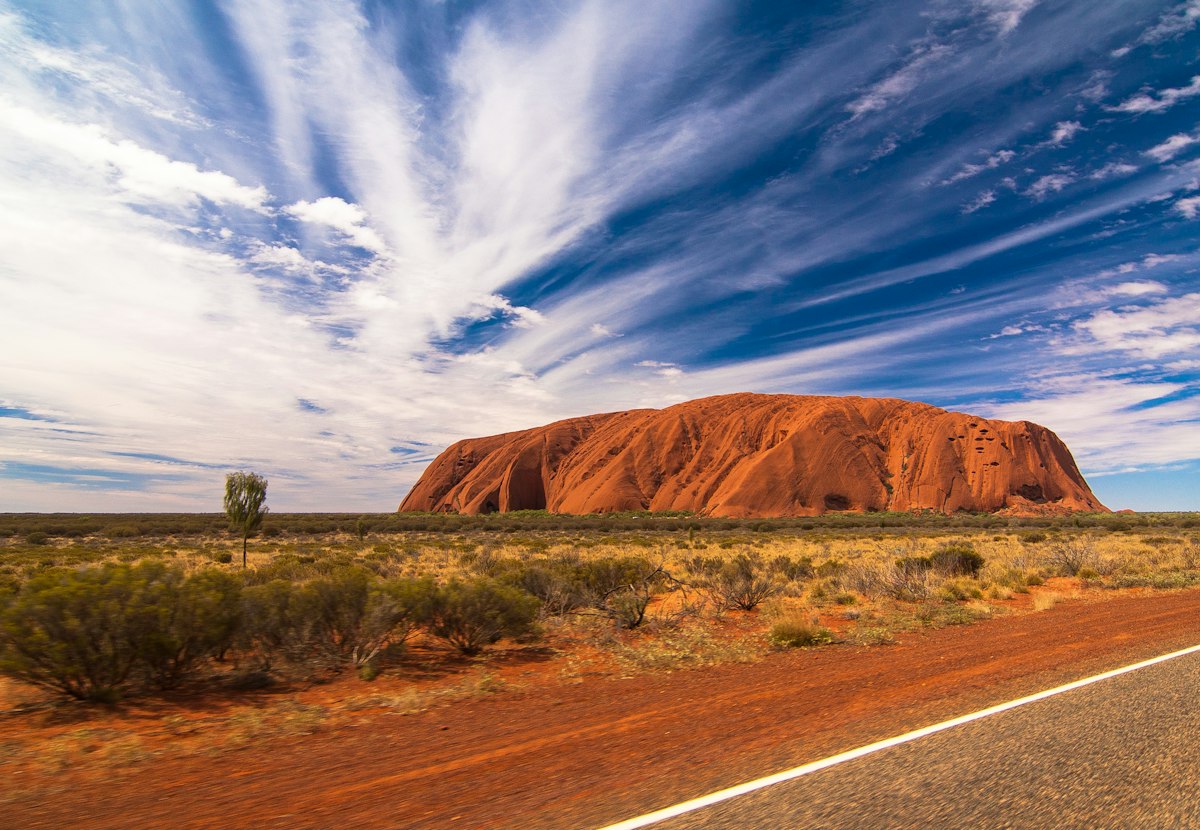
The outback is genuinely different territory. Vast, ancient, unforgiving. The light and colour out there are nothing you'll replicate on a soundstage. Productions like Mad Max shot in Broken Hill because you can't fake those red earth plains and isolation. Uluru's got spiritual weight that reads on camera. Films come out here when they want authentic remoteness, that genuine sense of scale.
I've coordinated multiple remote outback shoots. The realities are different from city work. Communication drops. Vehicles break down. Weather changes fast. Crew safety shifts from a box to check to an actual operational concern. What I'll walk you through is what I've learned, what works, what doesn't, and what kills productions out there.
Major Locations in the Outback
Broken Hill, NSW
Broken Hill
1,160km west of Sydney. Historic mining town with landscape that's utterly distinctive. Red earth plains, mining equipment and infrastructure, historic buildings, rock formations like sculpture. Mad Max was shot here for good reason.
What's there: Desolate, dramatic landscapes. Old mining infrastructure. Town infrastructure exists, so you're not completely cut off. The terrain photographs unlike anywhere else in Australia.
Practical side: Filming support's established. Local crew exists and understands productions. Accommodation and catering available. Vehicle hire on-site. Regional film office coordinates with Council. Budget 2-3 weeks for standard permits.
Coober Pedy, South Australia
Coober Pedy
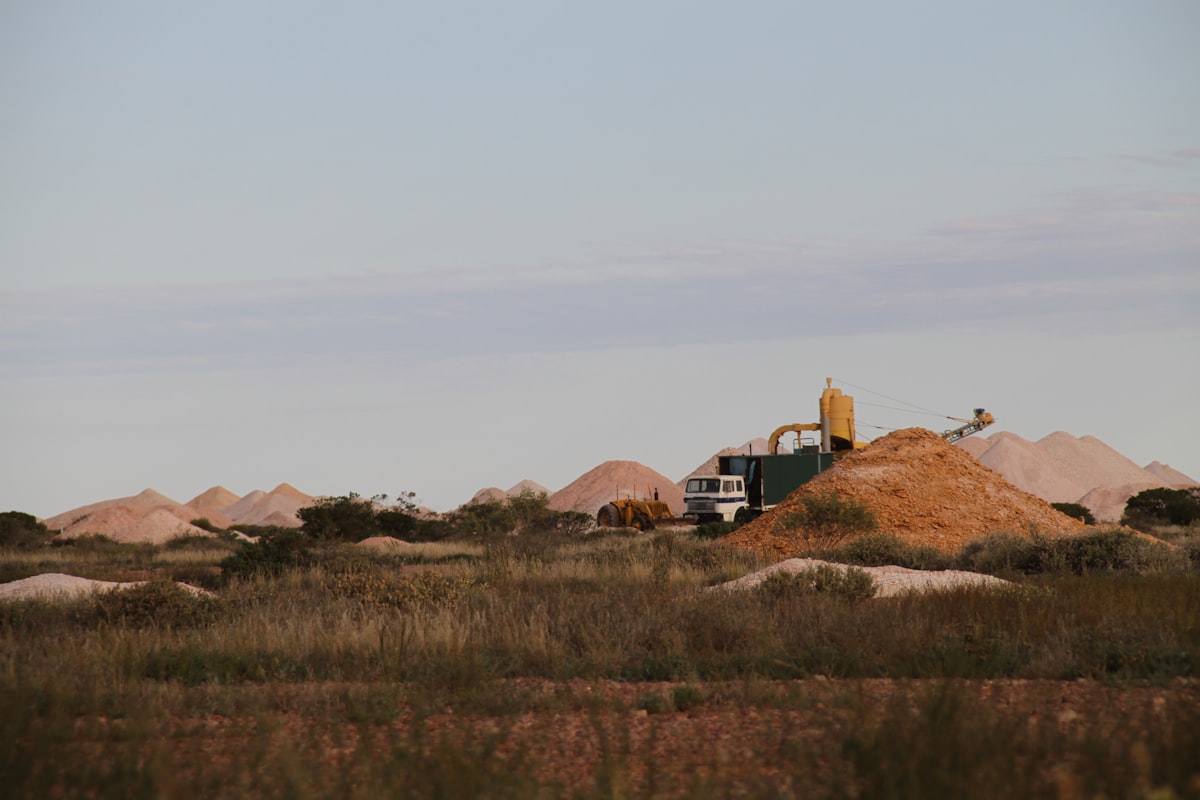
The world's opal mining centre. 846km north of Adelaide. Partly underground. Exists nowhere else like this. Moon-like landscape with mining spoil everywhere. Vast open desert around it.
Why it works: Genuinely otherworldly aesthetic. Underground mining operations, cave networks, and the adaptation of human habitation to extreme conditions. Perfect for science fiction, post-apocalyptic material. Visual singularity.
Logistics issue: Limited accommodation, book months ahead. Mining operations need separate approvals. Heat kills you here in summer.
Flinders Ranges, South Australia
Flinders Ranges
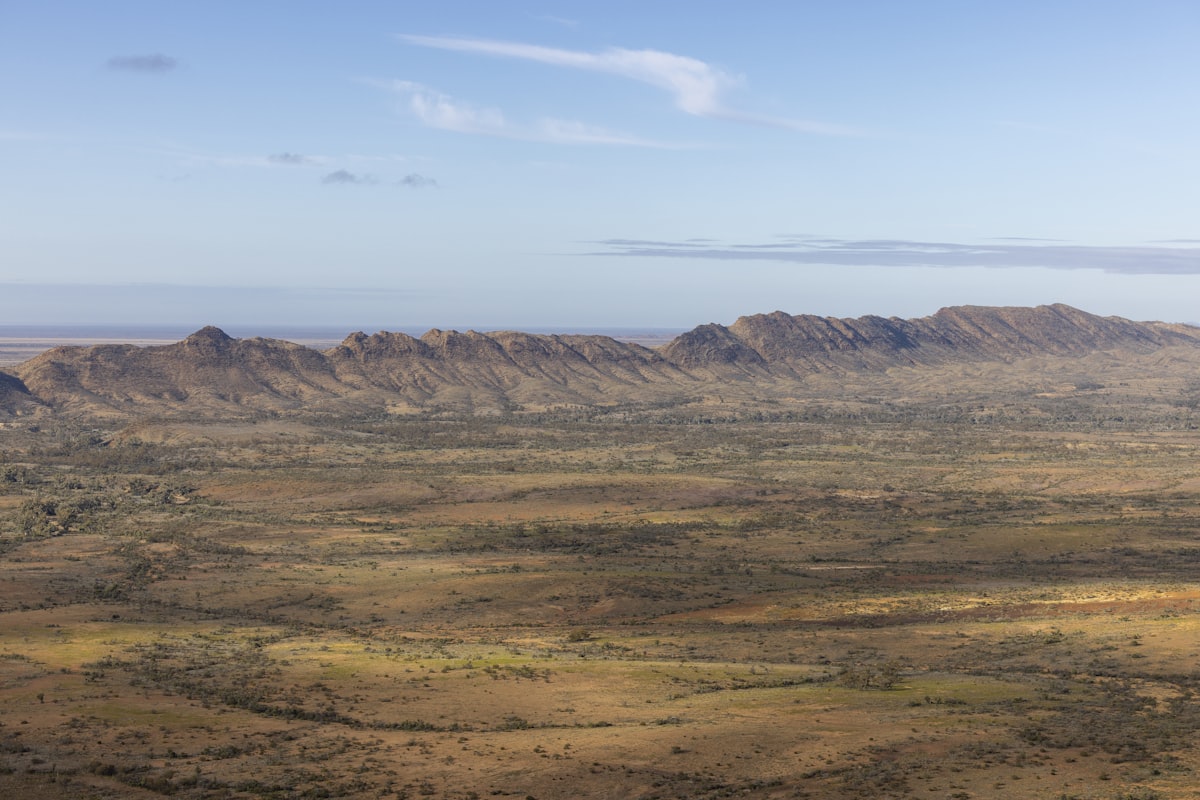
460km north of Adelaide. Ancient mountains, 400km of them. Dramatic ridgelines, valleys, gorges. Elevation changes. Brachina Gorge and Parachilna Gorge are distinctive. Geological formations create stunning backdrops.
Production value: Multiple distinct locations within one region. Accessible yet remote-feeling. Adventure narratives, Indigenous cultural work, dramatic natural history. Landscape varies, so you've got visual options.
Permits: South Australian government coordination. Some locations are protected, access restricted.
Uluru and Kata Tjuta, Northern Territory
Uluru-Kata Tjuta National Park
440km south-west of Alice Springs. Uluru and Kata Tjuta are Australia's most iconic natural landmarks. Sacred to the Anangu people who've lived here for over 30,000 years. The colours at sunrise and sunset are genuinely dramatic. Uluru's monolith dominates. Kata Tjuta's 36 rust-red domes create visual contrast.
The critical part: Climbing Uluru is prohibited now. Many sacred sites cannot be filmed. Anangu approval is required for all commercial work. Cultural protocols are not bureaucracy, they're respect for living culture.
Reality of permits: Parks Australia handles approvals, typically 4-6 weeks. Anangu community consultation is mandatory. All crew need cultural awareness training. Sunrise and sunset photography timing has restrictions. You're not just getting location access, you're gaining community trust.
White Cliffs, NSW
White Cliffs Opal Fields
800km north-west of Sydney. Another opal mining region. Distinctive white chalk cliffs against deep blue sky. Partly underground habitation. Mining infrastructure. Sparse desert vegetation.
What differentiates it: Less developed than Coober Pedy. Raw, authentic outback aesthetic. White cliffs create colour contrast. Ideal if you want genuine isolation without the infrastructure.
Remote Production Logistics: The Real Stuff
Water: Your Most Critical Resource
In the outback, water is existential. Crew needs minimum 3-4 litres daily in moderate conditions. Hot weather means 5-6 litres. Large productions must budget for:
- Water procurement and storage capacity in advance
- Backup supplies and emergency reserves
- Water testing and purification systems
- Regular crew hydration monitoring
- Medical protocols for dehydration emergencies
Communications and Emergency Services
This is non-negotiable
Mobile coverage doesn't exist in vast outback areas. Satellite communication is mandatory, not optional.
Remote productions require communication infrastructure:
- Satellite phones at base camp, additional units for mobile crews
- Two-way radios for crew coordination and emergencies
- Personal Locator Beacons for extreme emergencies and helicopter rescue
- Regular check-in protocols with base camp
- Medical evacuation coverage pre-arranged. Note: rescue costs exceed $10,000 regularly
Vehicles and Safety
All-terrain vehicles are essential. Requirements:
- 4WD, high clearance vehicles minimum
- Extra fuel capacity for extended trips
- Experienced drivers who know outback terrain
- Regular mechanical checks and spare parts
- Full set of spare tyres and repair gear
- Emergency supplies: water, first aid, navigation, communication devices
Station recovery vehicles at base camp. Vehicle costs in the outback are substantially higher than the city. Fuel, maintenance, hire all spike.
Base Camp Infrastructure
Outback camps need:
- Suitable accommodation (hotels, motels, or purpose-built camp)
- Catering infrastructure and food supply chains
- Generator and power systems
- Waste management systems
- Shade and cooling systems for extreme heat
- Medical facilities and on-site medical personnel for large productions
Seasons and Weather: Timing Everything
April to September: This is When You Film
Autumn and winter are optimal. Temperatures 15-28°C. Weather's generally stable. Crews can work in daylight without heat stress. This is when major outback productions schedule their shoots. It's the window.
December to February: Extreme Heat, Avoid
This is serious
December to February, temperatures regularly exceed 40°C, approaching 50°C. Heat exhaustion and heatstroke become genuine safety risks. Equipment malfunctions. Fuel consumption spikes. This period is not recommended unless production requirements absolutely demand it.
Weather Events and Contingencies
The outback creates sudden conditions:
- Dust storms reduce visibility to near-zero. Suspend filming, secure equipment.
- Flash flooding in dry riverbeds after rare rainfall. Know your escape routes.
- Wind sustained and strong, affecting camera stability and crew comfort.
Permits, Approvals, Indigenous Protocols
Government Approvals
Each state handles their own approvals:
- NSW (Broken Hill) coordinates through NSW Film Office
- South Australia (Coober Pedy, Flinders) through South Australian Film Office
- Northern Territory (Uluru) requires Parks Australia and NT Film Office
Budget 3-6 weeks for approvals. Complex or large productions need additional time.
Indigenous Cultural Protocols
Many outback locations sit on Aboriginal land or hold cultural significance. This isn't box-ticking. It reflects respect for ancient cultures and spiritual traditions. Requirements:
- Engagement with local Aboriginal communities for approval
- Cultural awareness training for all crew
- Respect for restricted areas and sacred sites, often cannot be filmed
- Fair compensation for community involvement and land access
- Contractual agreements specifying cultural protocols and restrictions
Private Property and Mining Operations
Much outback land is privately owned. Active mining sites operate throughout. Individual negotiations required for access, fees and conditions vary.
Films That've Been Shot Here
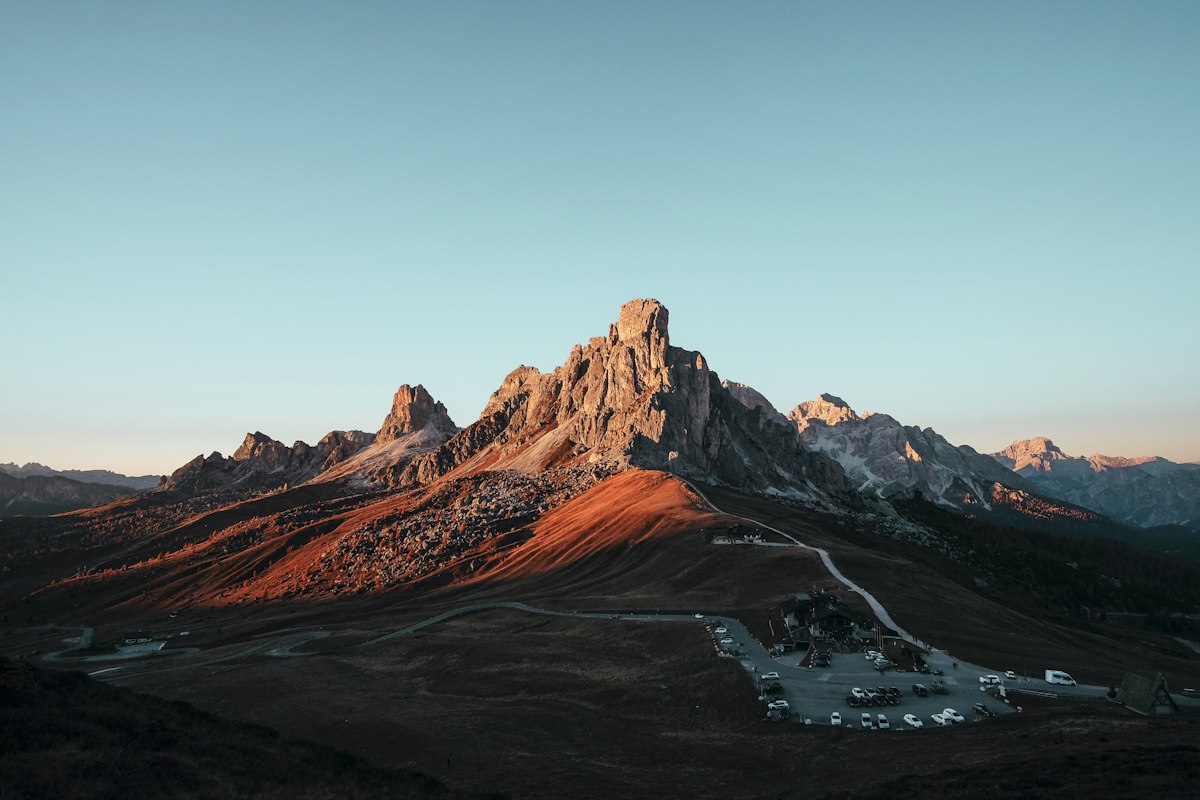
The outback's featured in plenty of high-profile productions. Mad Max: Fury Road shot in Broken Hill region because authentic red earth and isolation matter. Priscilla, Queen of the Desert captured inland Australia's character. Australia used diverse outback locations for its epic. The Man from Snowy River was early. Television documentaries and commercials run through constantly.
Productions book the outback for authenticity that can't be replicated. That landscape, that light, that isolation, it matters.
Why You Need an Experienced Outback Fixer
Remote outback filming is fundamentally different from metropolitan work. An experienced outback fixer brings essential benefits:
- Navigation of complex permit and approval processes
- Established relationships with local authorities and Indigenous communities
- Access to reliable crew experienced in remote filming
- Vehicle and equipment logistics in resource-limited areas
- Catering and accommodation coordination
- Real-time weather monitoring and contingency planning
- Emergency response protocols and medical support
- Cultural protocol compliance and community liaison
Questions About Outback Filming
What are the best times of year to film in the Australian outback?
April to September (autumn and winter) offers temperatures of 15-28°C, reliable weather, and safe working conditions for crew. Avoid December to February when temperatures regularly exceed 40°C, posing serious health risks.
Do I need special permits to film at Uluru?
Yes. Uluru is on Anangu Aboriginal land managed by Uluru-Kata Tjuta National Park. You need permits from Parks Australia and must respect cultural protocols, including prohibition on filming the ascent and many sacred sites. Community consultation is mandatory.
What vehicle requirements are essential for outback filming?
All-terrain 4WD vehicles with high clearance, extra fuel capacity, experienced drivers, spare parts, and proper emergency equipment are mandatory. Recovery vehicles should be stationed at base camp. Budget accordingly, vehicle costs are substantially higher than metropolitan operations.
How do we handle crew communications in remote areas?
Satellite phones, two-way radios, and emergency beacons are mandatory. Mobile coverage is non-existent in vast outback areas. Establish regular check-in protocols with base camp and ensure all crew know emergency procedures before departing.