Filming in the Blue Mountains: Location Guide for Productions (2026)

I've scouted the Blue Mountains dozens of times over the years. About 90 minutes west of Sydney, it's got some of the most striking landscapes you'll find in Australia. The dramatic cliffs, those misty valleys, waterfalls cutting through rainforest, rock formations that photograph like nothing else. It's close enough to Sydney that you can handle day shoots or short productions without too much logistical grief.
What I'll cover here is what I've learned doing shoots at these locations. Permits, the best times to film, how to move crew around, seasonal shifts, and what you need to know about working with the different authorities. I've dealt with the councils, the national parks people, and the cave operators. It's straightforward once you know the process.
Key Locations in the Blue Mountains
Three Sisters & Echo Point
Three Sisters & Echo Point
The Three Sisters formation is the most photographed spot in the region. Three rock pillars rise 900 metres from the Jamison Valley. The views from Echo Point are stunning, especially at sunrise and sunset when the light's raking across the rock.
On the ground: Echo Point's got viewing platforms where you can position crews. The trick is timing. Pre-7am shoots or off-season work lets you avoid the tourist masses. Weekday early morning is your best window. Equipment placement on the platforms needs planning, but it's manageable for larger crews.
Permits: You'll need NPWS approval if you go beyond the public viewing areas. Council approval's also required for commercial work.
Govetts Leap Waterfall
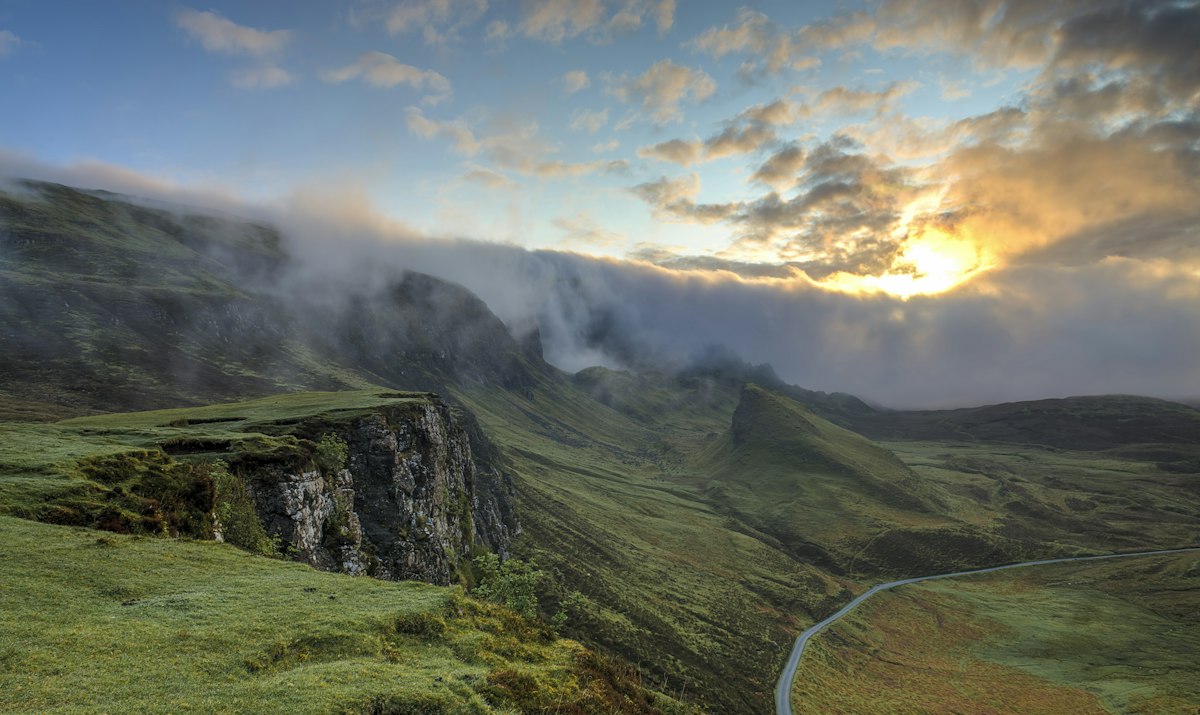
Govetts Leap Waterfall
A 300-metre waterfall dropping through rainforest. The walk-in's about 6km return, so crew fitness matters. The water flows year-round, but it's most dramatic in autumn and winter.
Practical considerations: The spray will wreck your gear if you're not careful. Bring protective covers. The rainforest setting gives you natural diffused light and moody atmospheric conditions. You'll want smaller crews because the track's narrow and the ecosystem's sensitive. Blackheath's your closest town for base operations.
Access: The terrain's rough. Plan for it.
Wentworth Falls
Wentworth Falls
A 187-metre waterfall in native bushland. Shorter walk at 1.5km, good photo ops. Multiple vantage points let you shift camera angles. The surrounding bush frames shots naturally.
What works: More accessible than Govetts Leap. The platform areas give you varied angles. The vegetation in the background is already there doing the work. Water flow changes with the season, so the visual punch varies.
Permits: Check with Council and NPWS for current requirements.

The Scenic Railway, Cableway & Skyway
Scenic World Complex
The Scenic World complex offers industrial architecture and engineering that looks authentically built. The railway runs at a 52-degree gradient. The cableway and skyway give you aerial perspective shots.
Production-wise: Scenic World allows filming with coordination. The railway infrastructure's real and distinctive. You need to arrange specific shooting zones in advance. Early morning before tourists arrive gives you better control.
Contact them directly: Typically need 2-3 weeks notice, and there's a fee. Worth it for the aesthetic.
Jenolan Caves
Jenolan Caves
Australia's most extensive cave system. The formations inside are genuinely otherworldly. The interiors create spaces you can't replicate elsewhere.
The challenge: Filming in active show caves requires serious coordination. The authorities control everything. Lighting rigs get approved or not. Crew size is limited to protect the cave ecology. It's a 30-plus minute walk-in, so logistics are complex.
Reality check: You'll need a dedicated site coordinator. Lighting restrictions mean working with what's available or using specific approved equipment. Budget 4-6 weeks for permits.
Working with the Authorities
Blue Mountains City Council
All commercial filming needs their approval. They handle:
- Permits for council-managed areas and public spaces
- Street filming and traffic management if needed
- Local business and resident coordination
- Insurance requirements, minimum $10M public liability
Standard turnaround is 2-4 weeks. Applications need location details, crew numbers, dates, and equipment specs.
National Parks and Wildlife Service (NPWS)
If you're filming inside the national park, NPWS has a say:
- Protected area access and ecosystem management
- Track closures and visitor flow
- Environmental impact assessment for large crews
- Endangered species protection
NPWS permits take 3-4 weeks. Large productions need environmental management plans.
Private Operations
Scenic World and Jenolan Caves are private. Coordinate directly with their management for access and fees.
Seasonal Realities
Spring (September-November)
Reliable weather, clear skies, moderate temps. Wildflowers add colour. Tourists aren't overwhelming. Light is soft and comes from good angles. This is your best bet for most shoots.
Summer (December-February)
Heat hits 30-35°C. Afternoon thunderstorms happen. Peak tourist season. Mid-day light is harsh. Evening shoots benefit from long daylight hours. Bushfire season can shut locations down. Skip peak summer if you can.
Autumn (March-May)
Arguably the best season. Temperatures drop, light turns golden, crowds thin out, weather stays stable. Foliage is rich. Book well in advance because permits fill quickly.
Winter (June-August)
Moody, dramatic clouds, almost no one around. Temps run 5-15°C. Snow falls occasionally in June and July. Light sits lower and angles better. Perfect for atmospheric material. Early light is limited, so adjust your schedule.
Getting There and Staying
Travel Time
90 minutes from central Sydney via the M4 and Great Western Highway. Katoomba's the main hub. Leura, Blackheath, and Springwood work as secondary bases.
Where Crew Sleeps
Katoomba's got the most options: motels, apartments, lodges. You can house crews within a 30-minute radius. Book 6-8 weeks ahead during peak seasons.
Food and Services
Katoomba town centre has catering options and equipment hire. Sydney-based production services operate in the region. Think through your catering logistics carefully. It's more limited than Sydney.
Gear Access
Major Sydney hire companies service the Mountains, but availability's tighter than the city. Plan 2-3 days ahead for equipment orders. Drone work needs CASA approval and extra coordination.
Why the Mountains Show Up on Screen
The Blue Mountains have been in plenty of international films, TV series, and commercials. The landscape reads as genuine wilderness. Dramatic cliffs, temperate rainforest, atmospheric light, multiple locations within a tight area. It's got authenticity that matters. Productions come here because they can't find this aesthetic anywhere else. That's why they book it.
What makes it work for productions:
- Dramatic natural landscapes and cliff formations
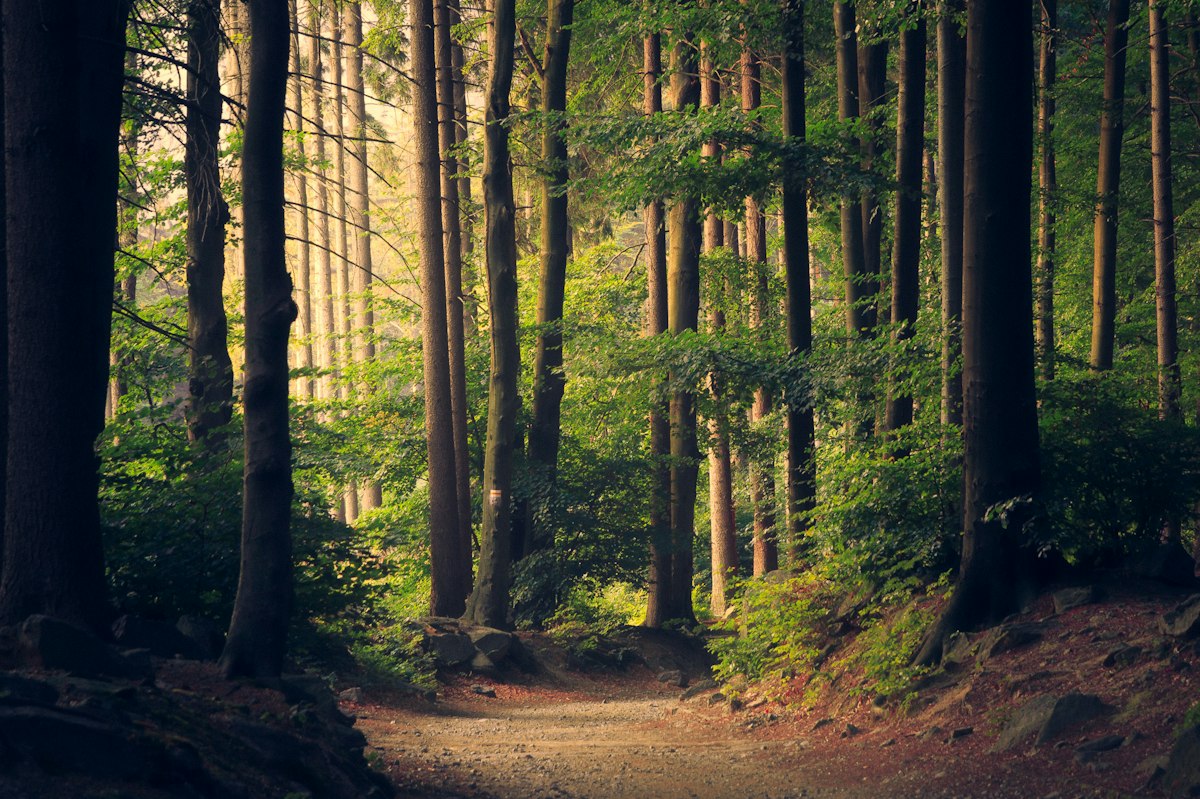
- Temperate rainforest settings with real character
- Remote feeling, but genuinely accessible
- Multiple distinct locations in a concentrated radius
- Australian wilderness authenticity within 90 minutes of Sydney
Why Having a Local Fixer Matters
I know the permit systems, the seasonal patterns, the Council people. I've had to shift shoots because weather came in wrong. I know which platforms fill with tourists at what times. I can get you secondary locations that match what you need. I handle equipment hire, crew accommodation, vehicle coordination. On set, I manage contingencies and problem-solving in real time. Weather shifts, locations become problematic, you need a backup plan. That's what a local brings.
Working with someone who knows this region lets you:
- Navigate permits with Council and NPWS efficiently
- Find secondary locations that match your requirements
- Coordinate equipment hire and crew accommodation
- Handle weather contingencies and location changes
- Access real-time seasonal and weather information
- Work with local businesses and landowners effectively
- Solve logistical problems when they happen
Questions I Get Asked
Do I need permits to film in the Blue Mountains?
Yes. Blue Mountains City Council handles commercial filming permits. NPWS manages national park locations. Standard turnaround is 2-4 weeks. Plan extra time if you've got complex requirements or large crews.
What's the best season to film in the Blue Mountains?
Autumn (March-May) and Spring (September-November) give you reliable weather and strong light. Summer gets hot and unpredictable. Winter's moody and atmospheric but cold. Skip peak summer heat (December-February) unless the shoot demands it.
How far is the Blue Mountains from Sydney?
90 minutes by car from the city centre. That makes it ideal for day shoots and short productions. Katoomba's your accommodation and catering hub.
Can we film at Jenolan Caves?
Yeah. But it requires separate permits and serious coordination with the cave authorities. They've got strict rules on lighting rigs, crew size, and access times to protect the caves.